Tudor & Tudor Revival
Dark oak paneling, linenfold carving, heavy beams, arched doorways and stone-and-timber chimneypieces.
Tudor and Jacobean interiors, from about 1485 to the mid-1600s, were wrapped in oak paneling made of many small panels, with carved friezes, linenfold carving, strapwork and tall chimneypieces. Revived in Britain and America between about 1890 and 1940, the style became a favorite for suburban houses with half-timbered gables and arched doors.
In a modern project, oak paneling is the heart of the style. A dado-height wainscot of small panels, a carved frieze, or a two-stage chimneypiece in a living room brings the character without a full paneled room.
How to recognize Tudor & Tudor Revival
- Dark oak paneling of small square or rectangular panels
- Linenfold carving, strapwork and carved friezes
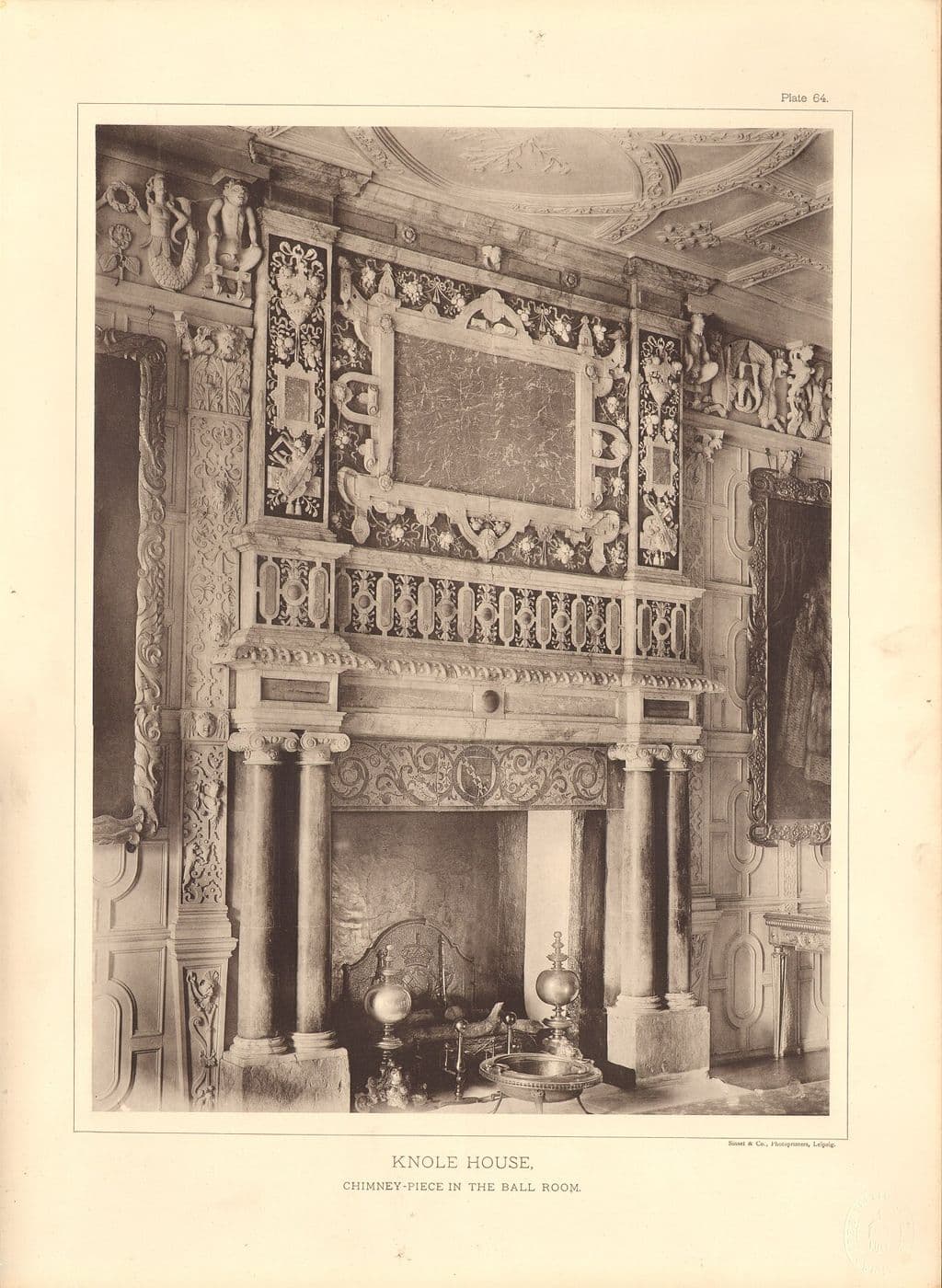
- Tall chimneypieces with columns and an overmantel
- Arched (four-centered) doorways and heavy plank or paneled doors
- Turned balusters and newels with finials on stairs
Tudor Revival houses are common in Denver neighborhoods developed in the 1920s and 1930s.
Tudor & Tudor Revival cabinet doors & fronts
All cabinet doors & fronts
Tudor & Tudor Revival built-ins & bookcases
All built-ins & bookcases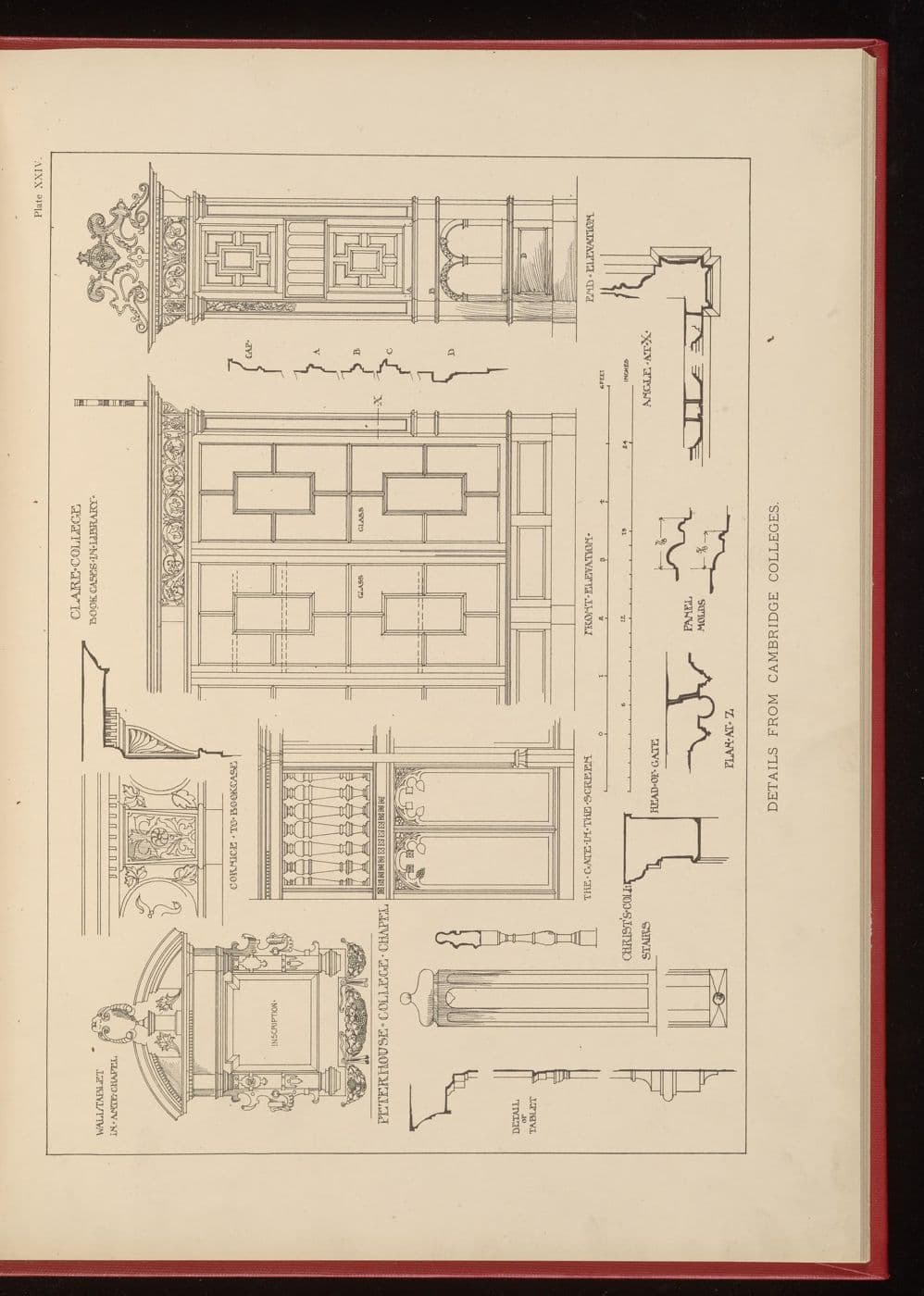
Tudor & Tudor Revival wall paneling & wainscoting
See all 9
Thorne Miniature Room: English Bedchamber of the Jacobean or Stuart Period, 1603–88
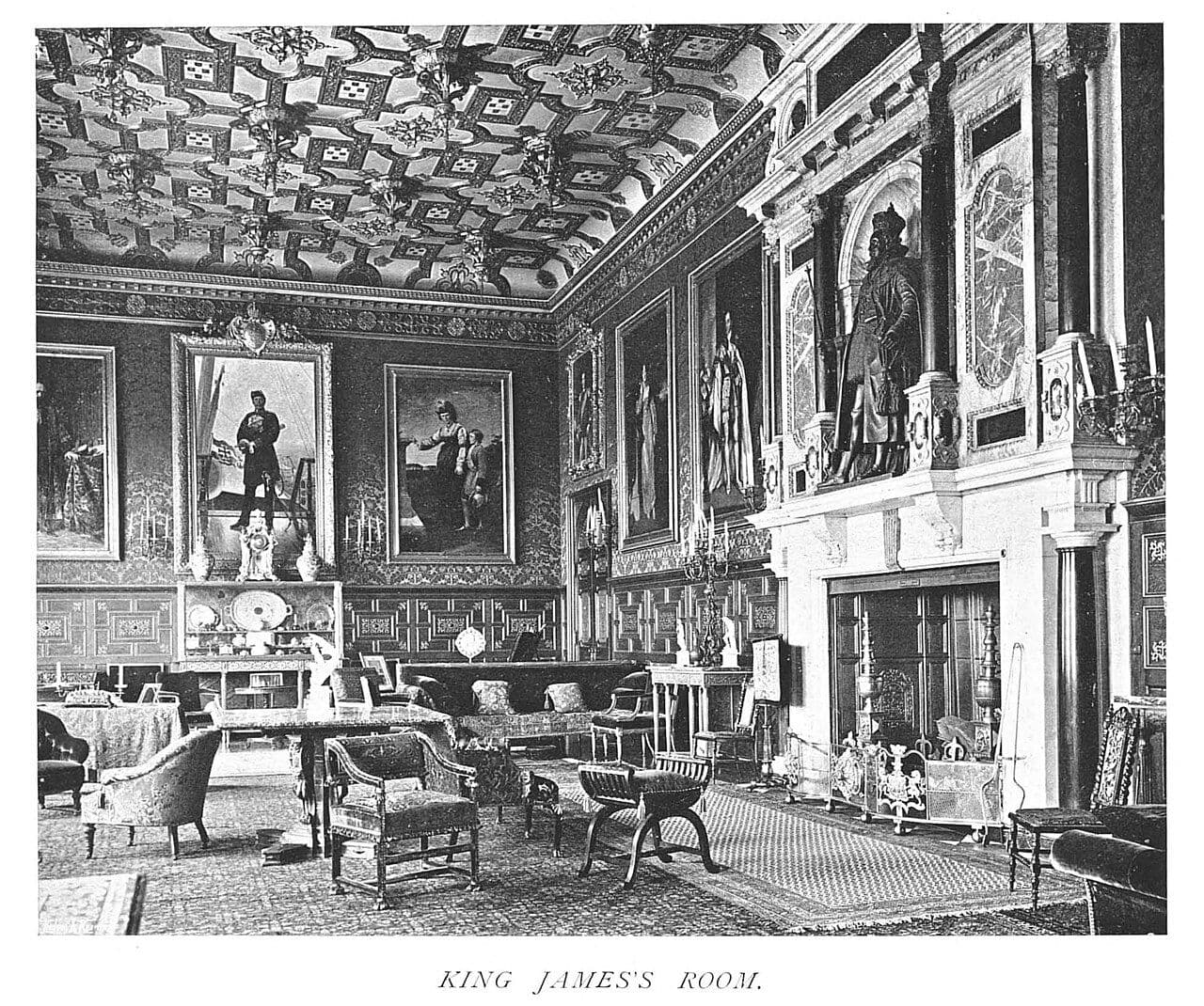
King James Room Paneling, Hatfield House (photographed 1904)
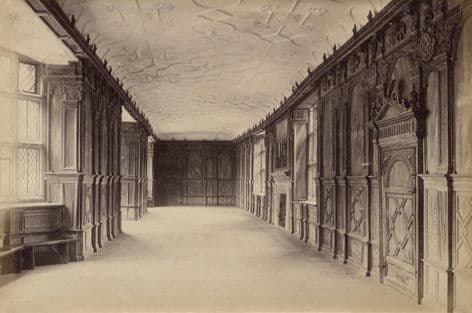
The Long Gallery, Haddon Hall, Derbyshire (photographed c. 1890)
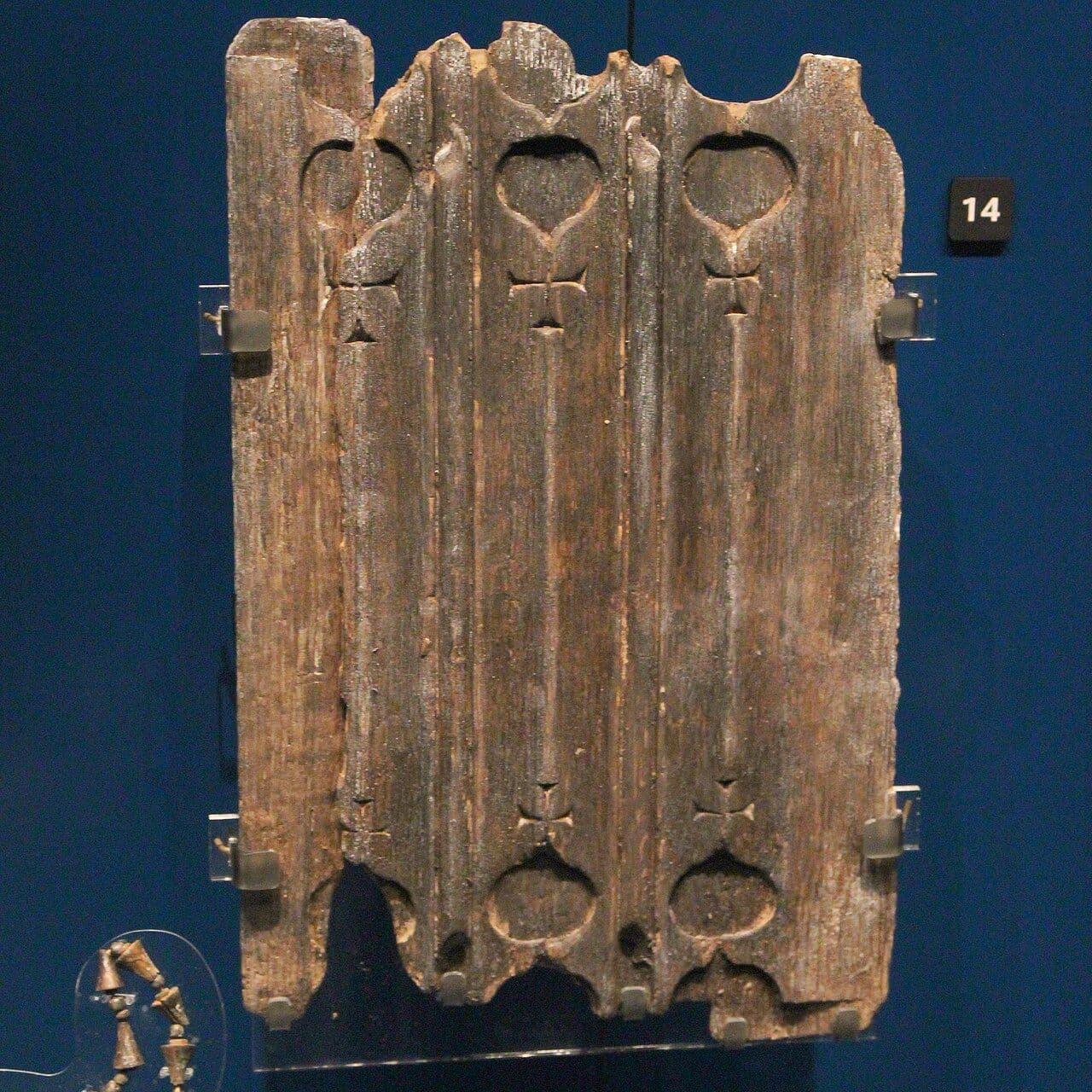
Carved Linenfold Panel with Cross Motif
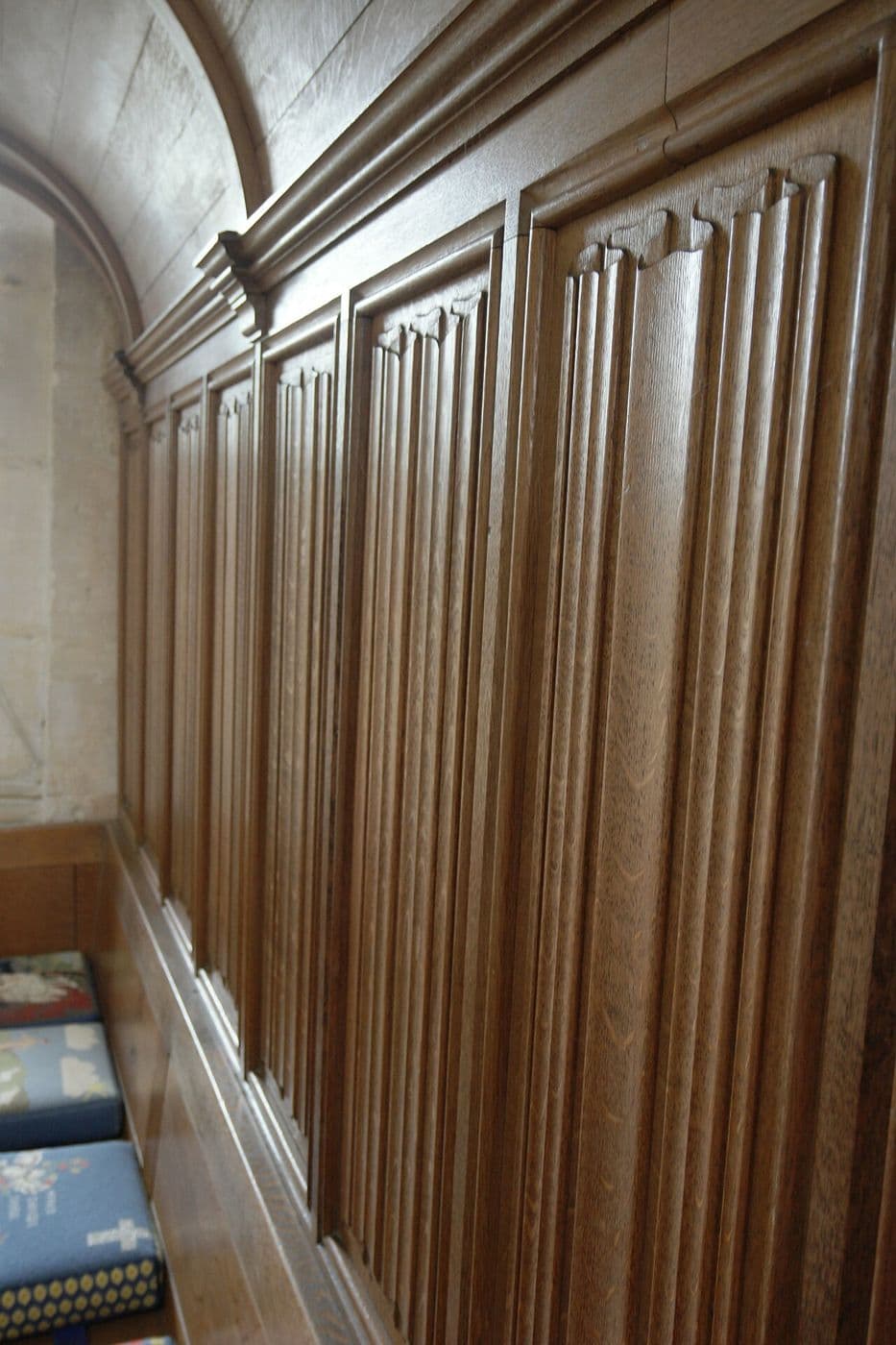
Linenfold Panel, St Andrew's Church
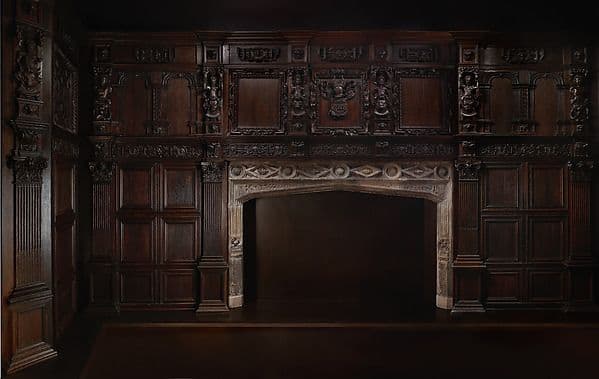
Oak Paneling from a House on the Hall Quay, Great Yarmouth (c. 1600)
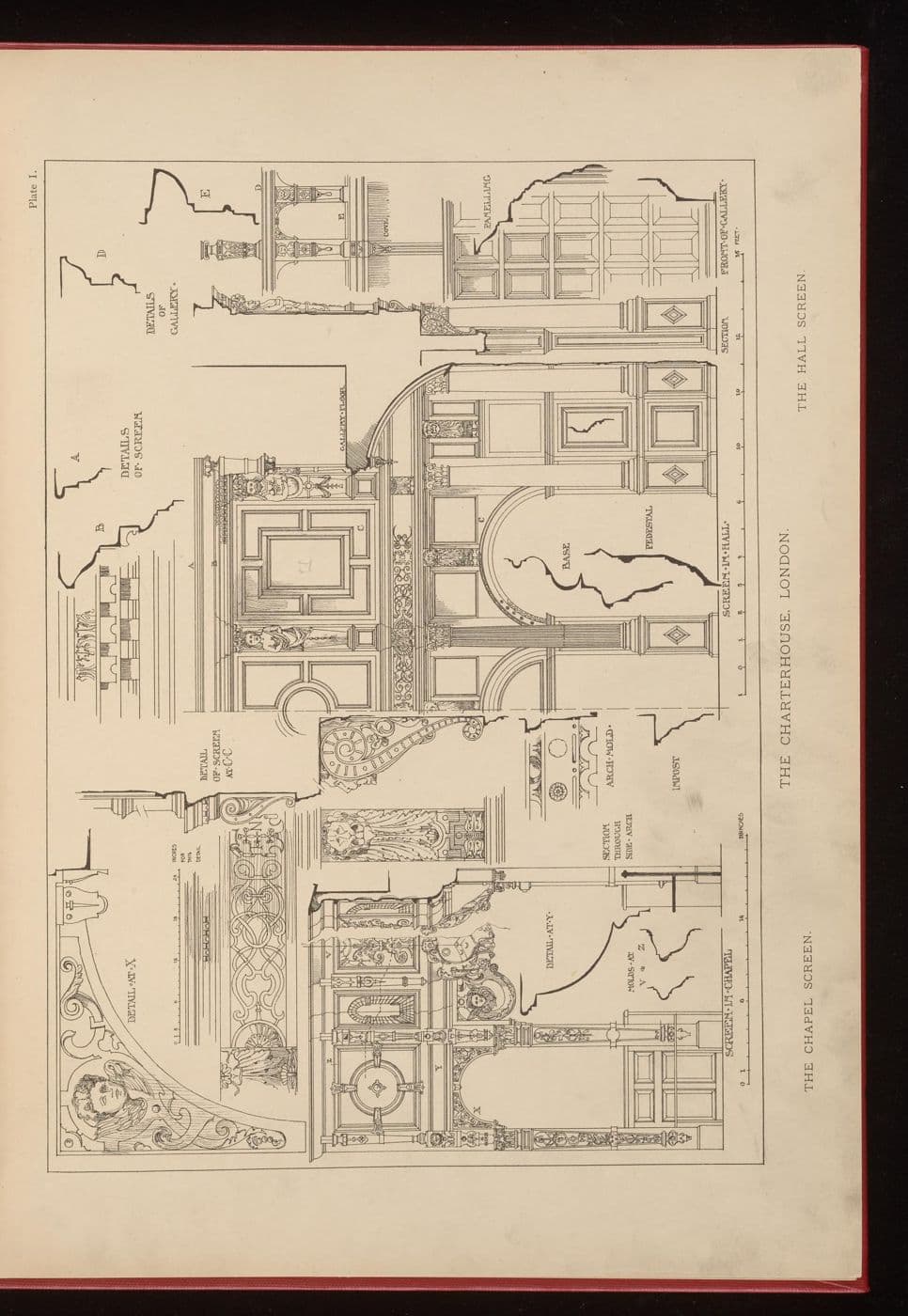
The Hall Screen, The Charterhouse, London (measured drawing, 1903)

Panelling from the Presence Chamber, Hardwick Hall (measured drawing, 1903)
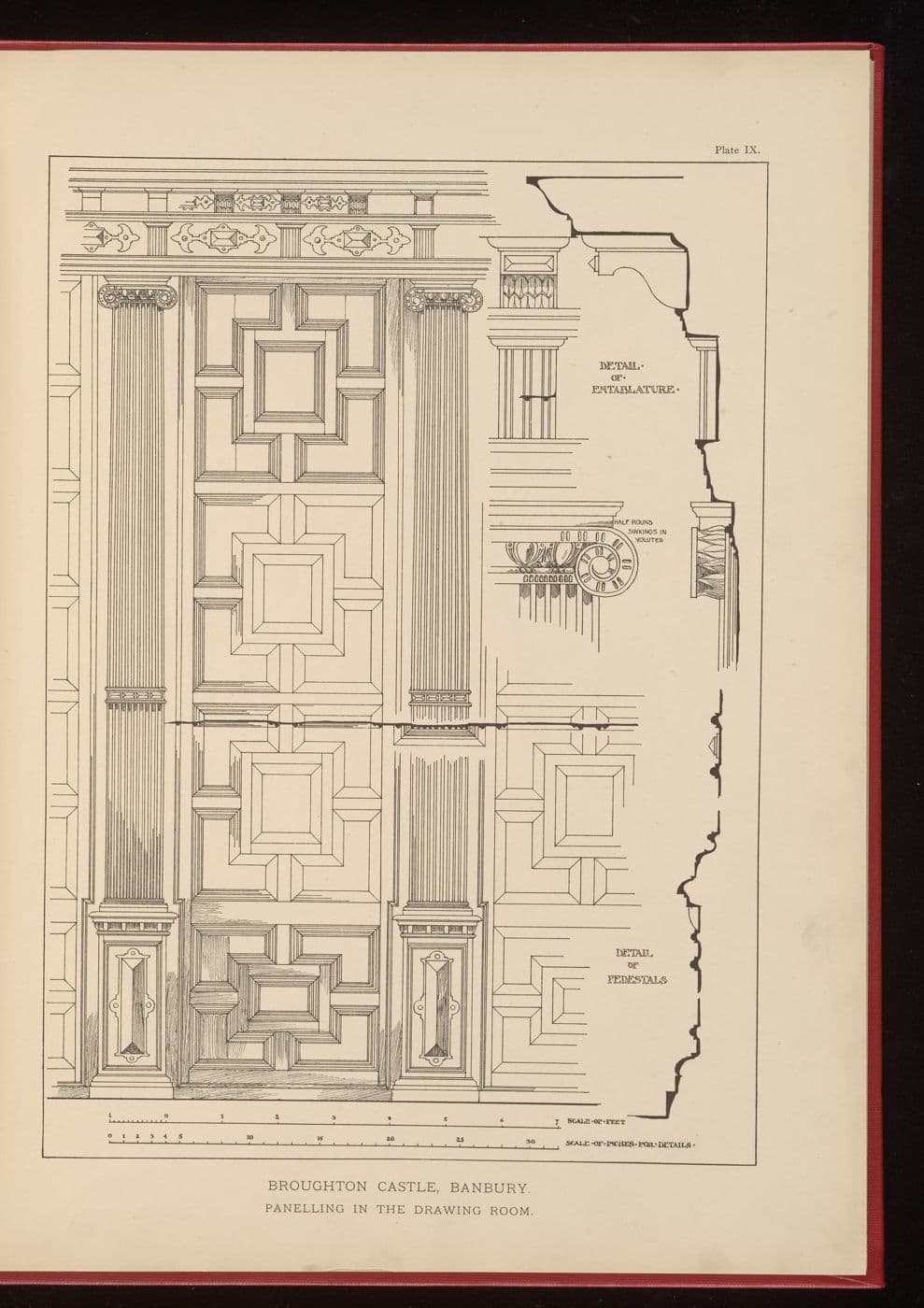
Panelling in the Drawing Room, Broughton Castle (measured drawing, 1903)
Tudor & Tudor Revival fireplace mantels & surrounds
All fireplace mantels & surrounds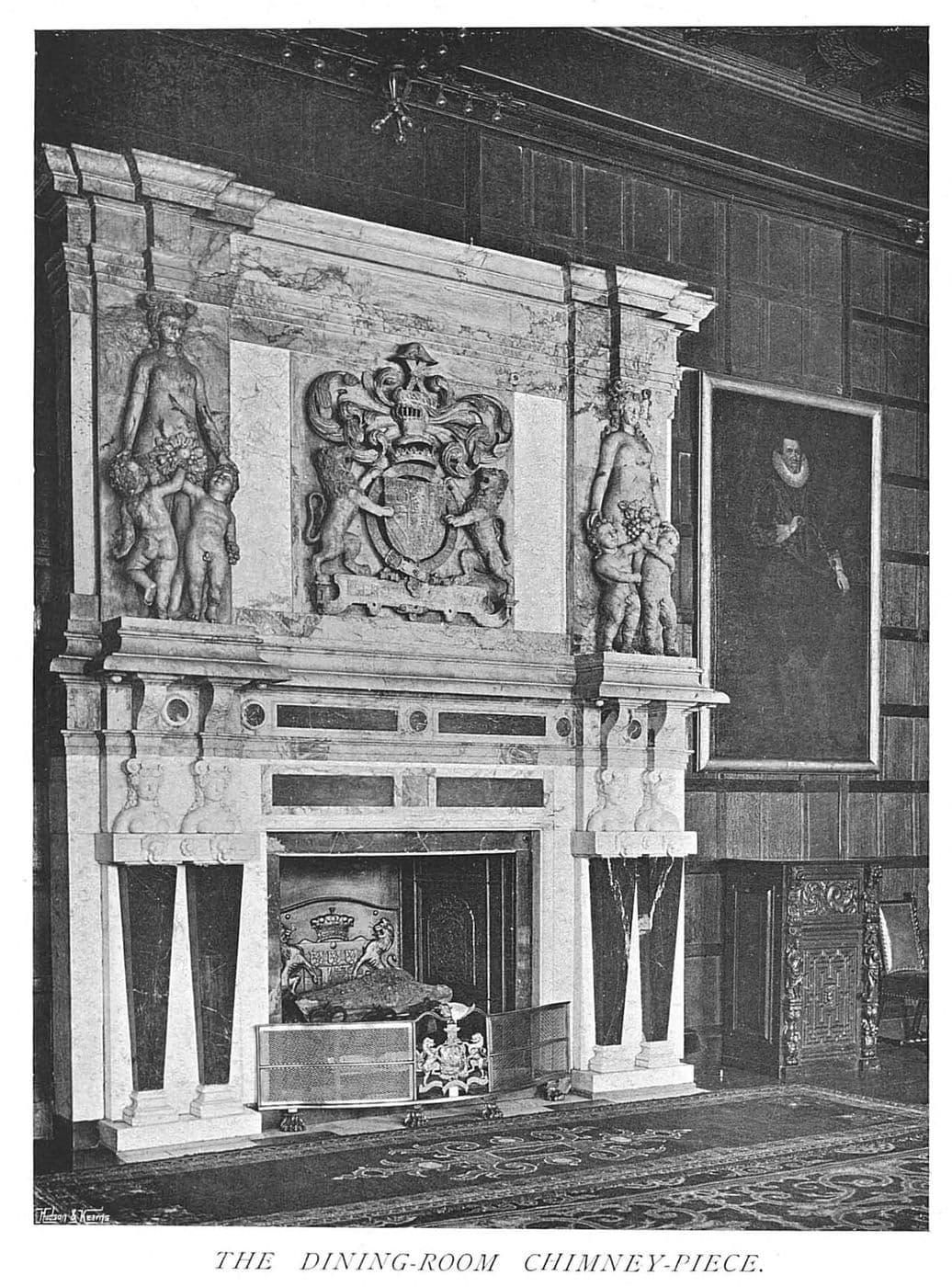
Tudor & Tudor Revival interior doors
All interior doors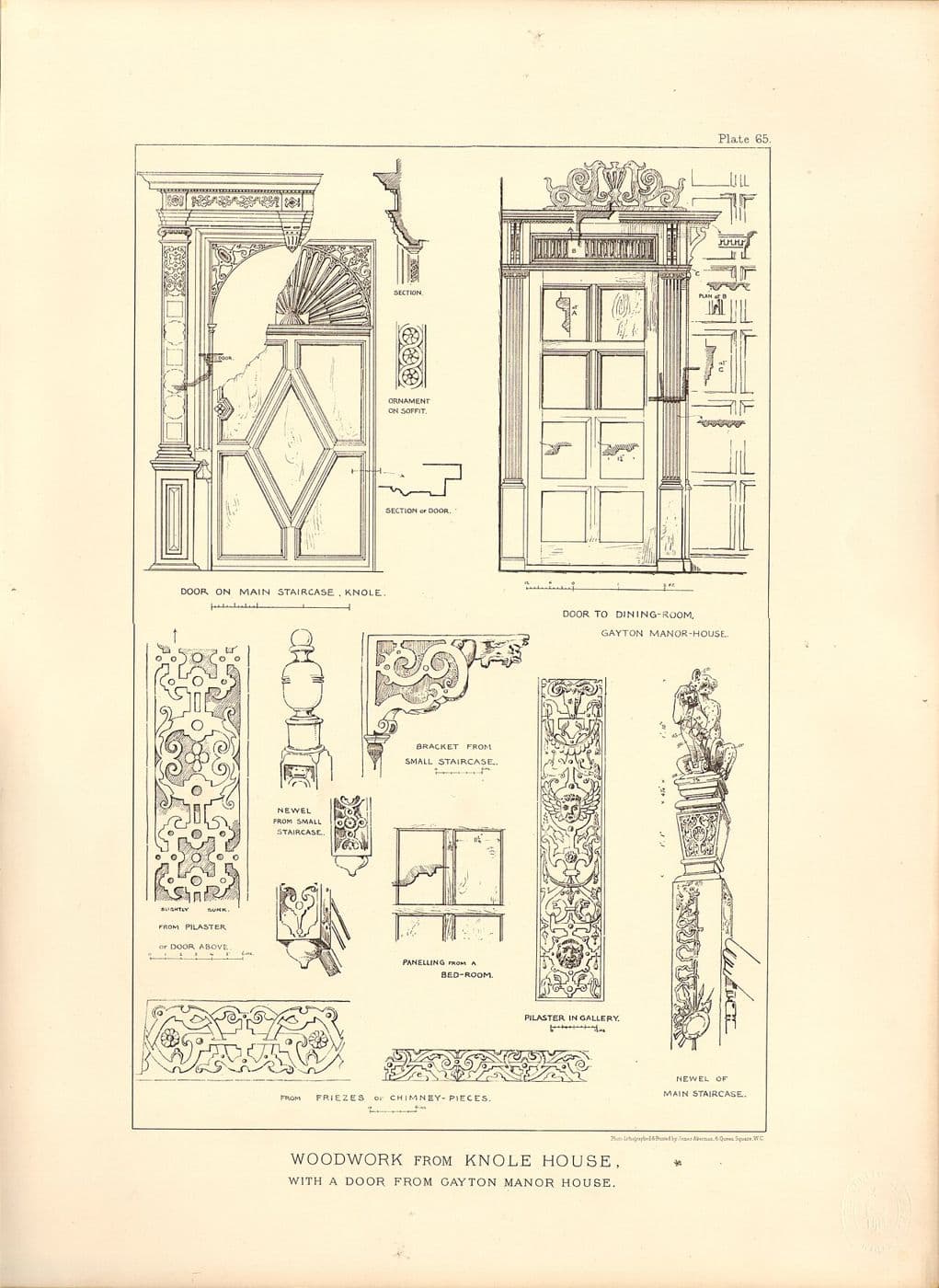
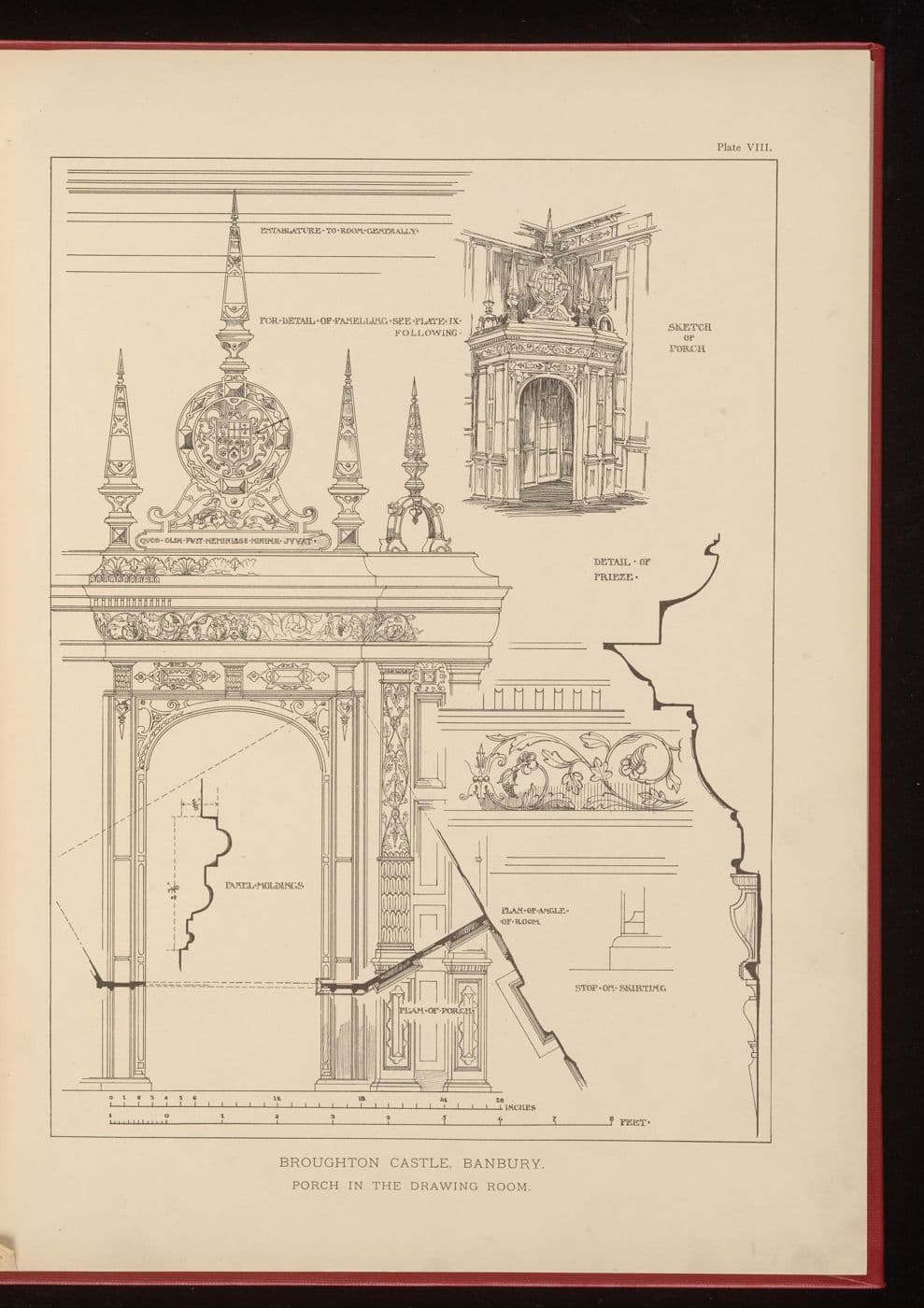
Tudor & Tudor Revival trim & moulding
All trim & moulding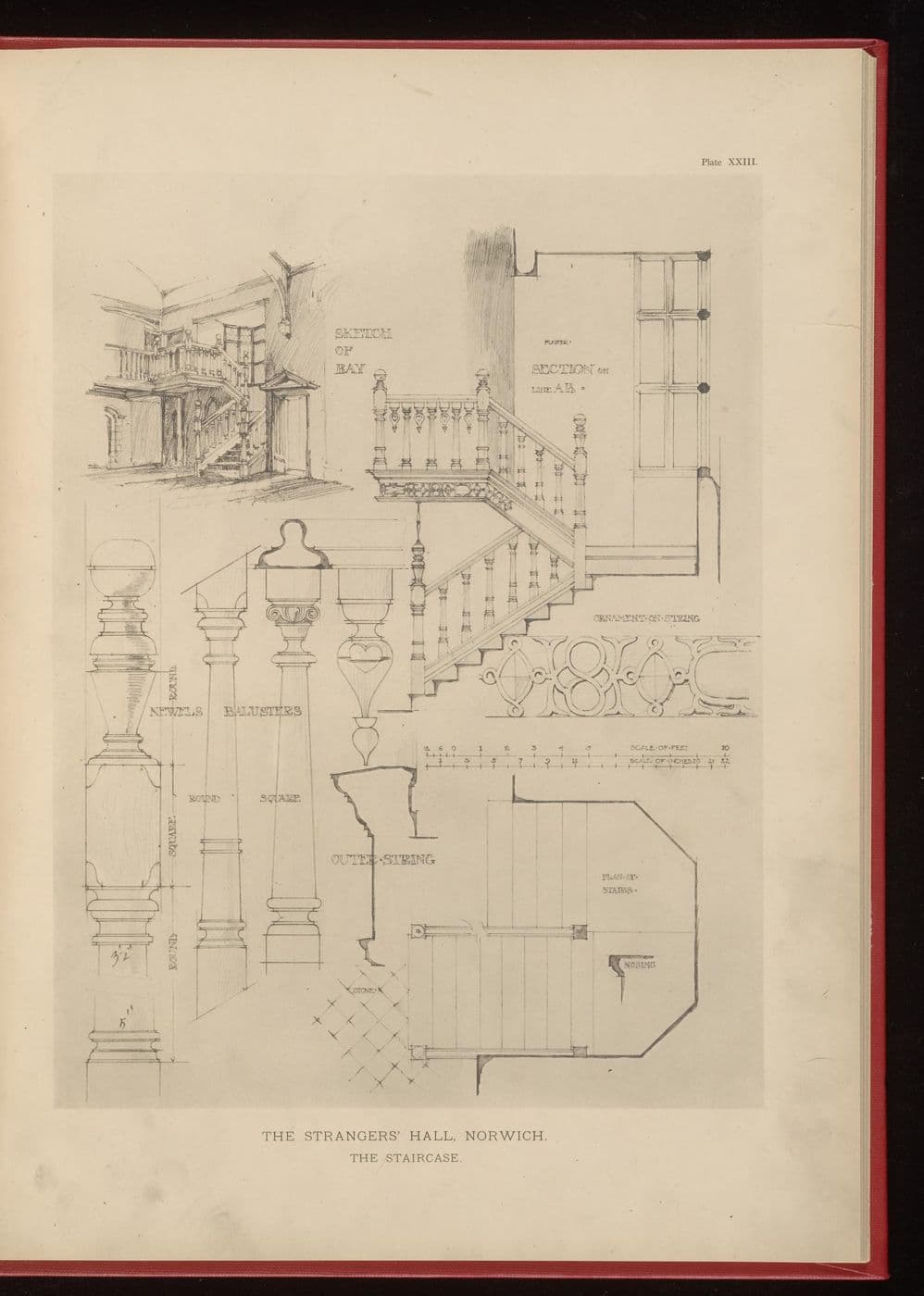
Signature motifs
Typical woods and materials
Have a Tudor & Tudor Revival detail made for your home
Choose any example above as a starting point. We adapt it to your measurements and make it on our CNC, with published price ranges for every element.
How custom work works