Art Deco
Geometric glamour: exotic veneers, sunbursts and chevrons, stepped forms, fluting and lacquer.
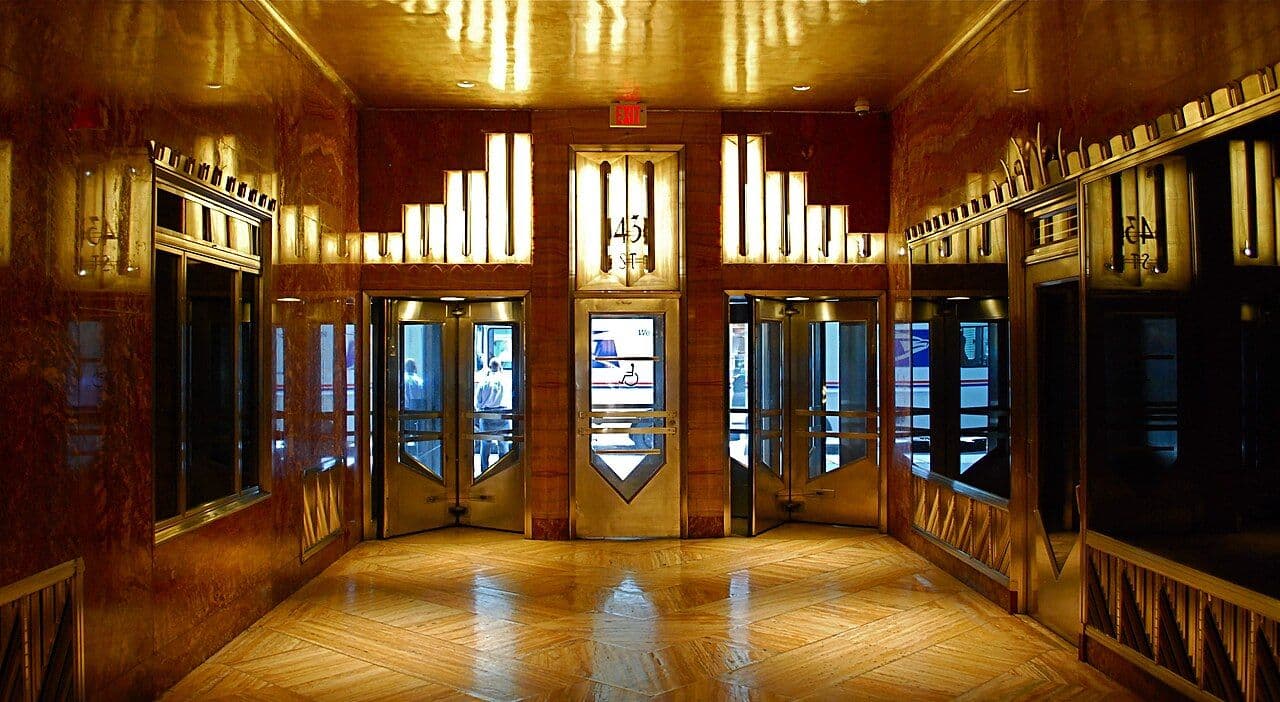
Art Deco, from about 1920 to 1940, combined geometry with luxury: stepped forms borrowed from skyscrapers, sunbursts and chevrons, fluting, exotic veneers, marquetry and lacquer. It appeared in ocean liners, cinemas, office lobbies and the federal buildings of the 1930s, and in a smoother form as Streamline Moderne.
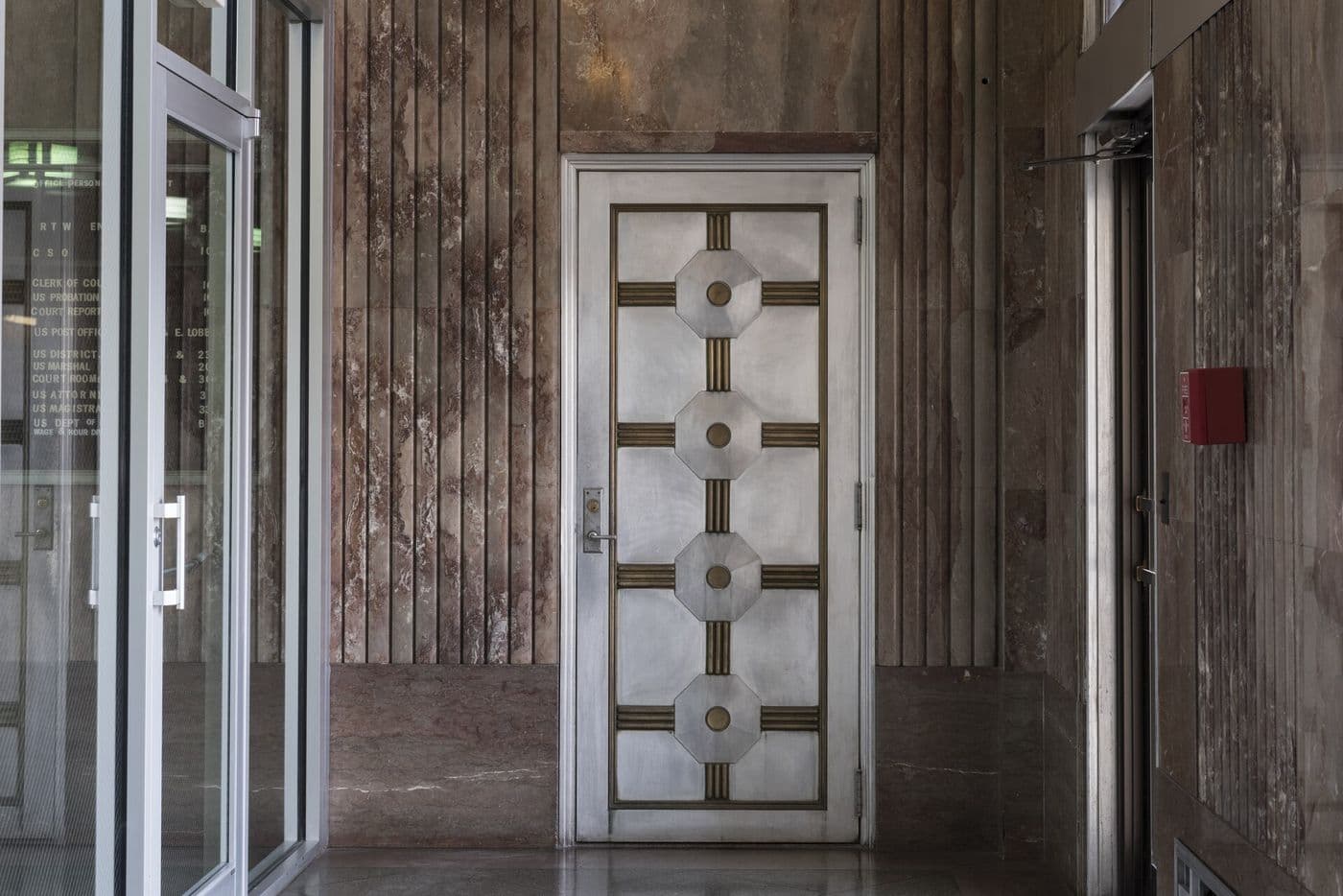
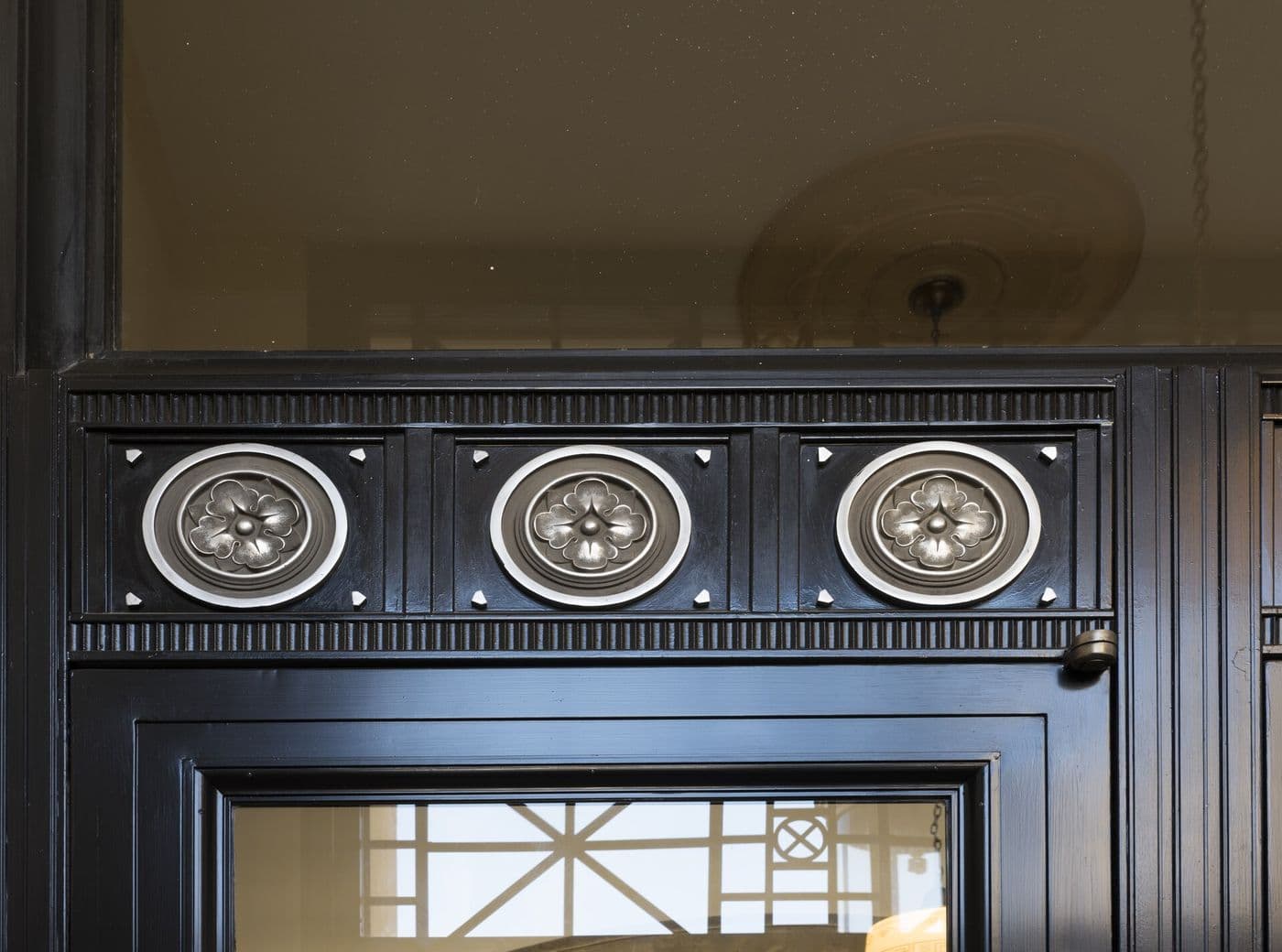
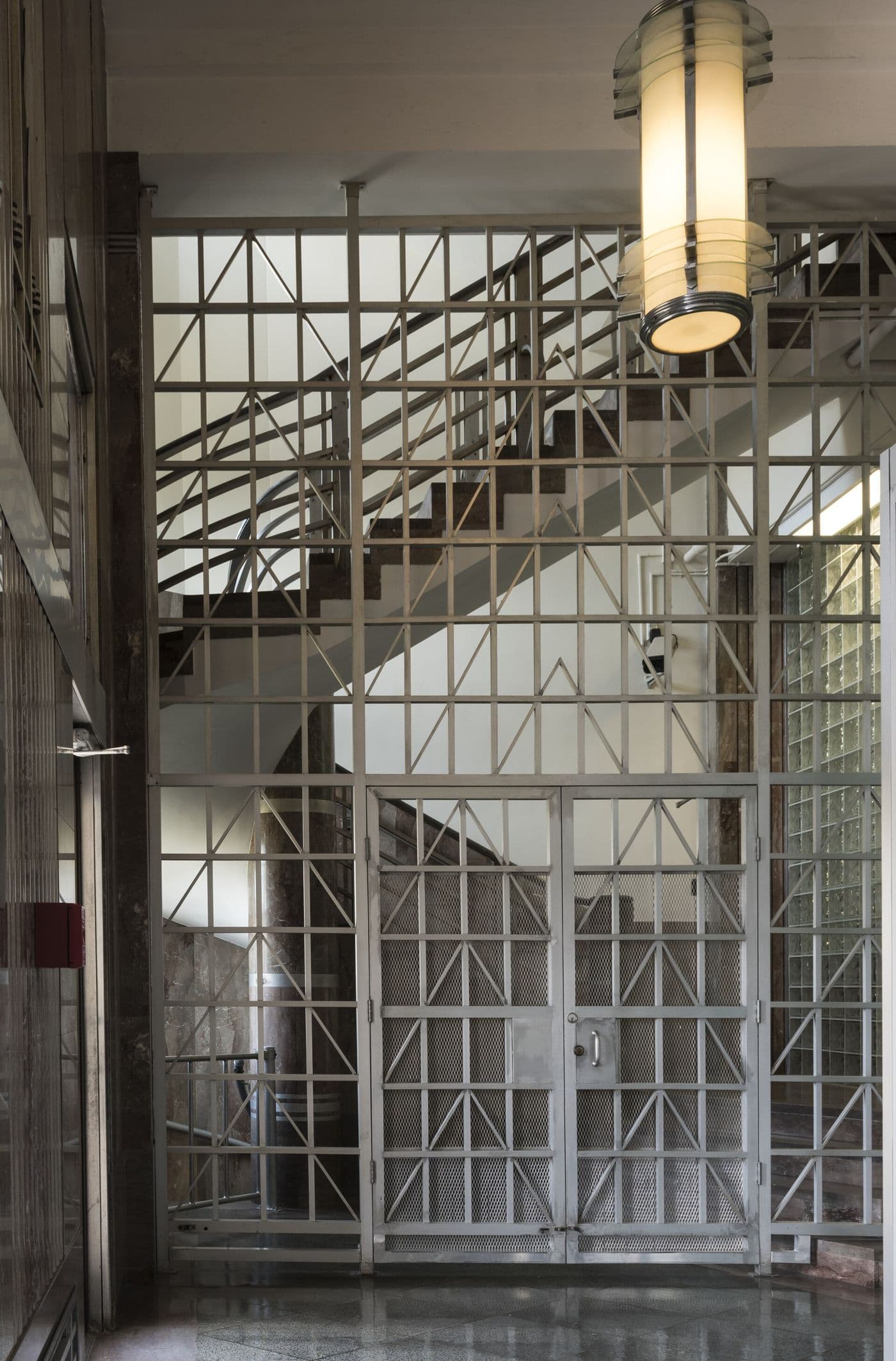
For custom work, Deco is about surface and silhouette. Veneered or inlaid doors, fluted panels, stepped casings and geometric grilles carry the style, and they are especially effective in bars, powder rooms and entries.
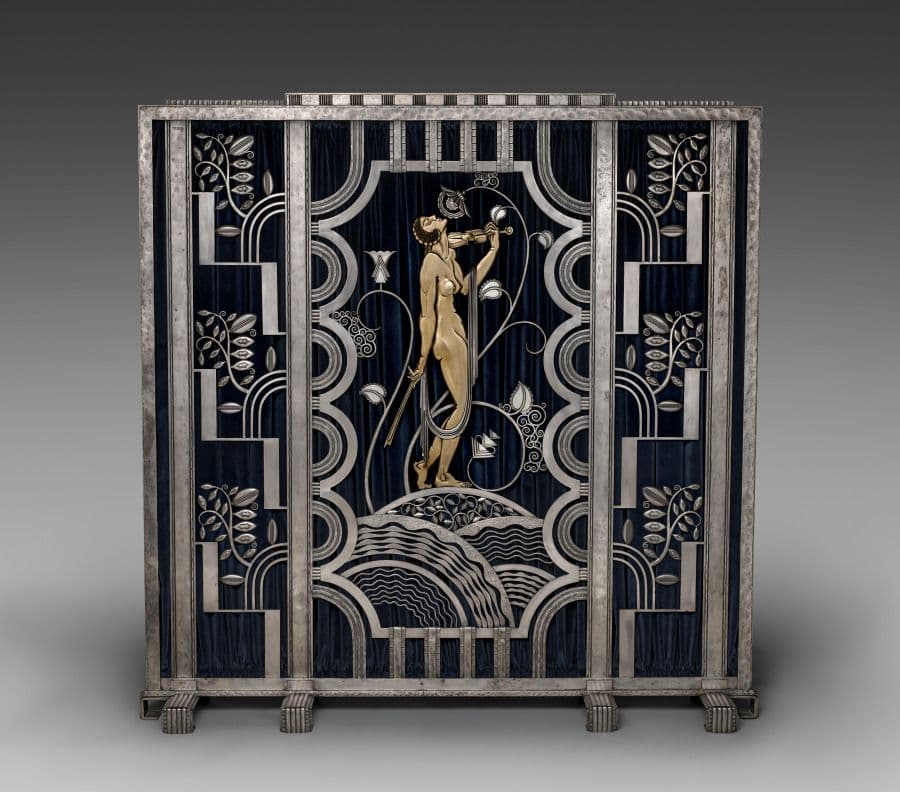
How to recognize Art Deco
- Stepped (ziggurat) profiles and setbacks
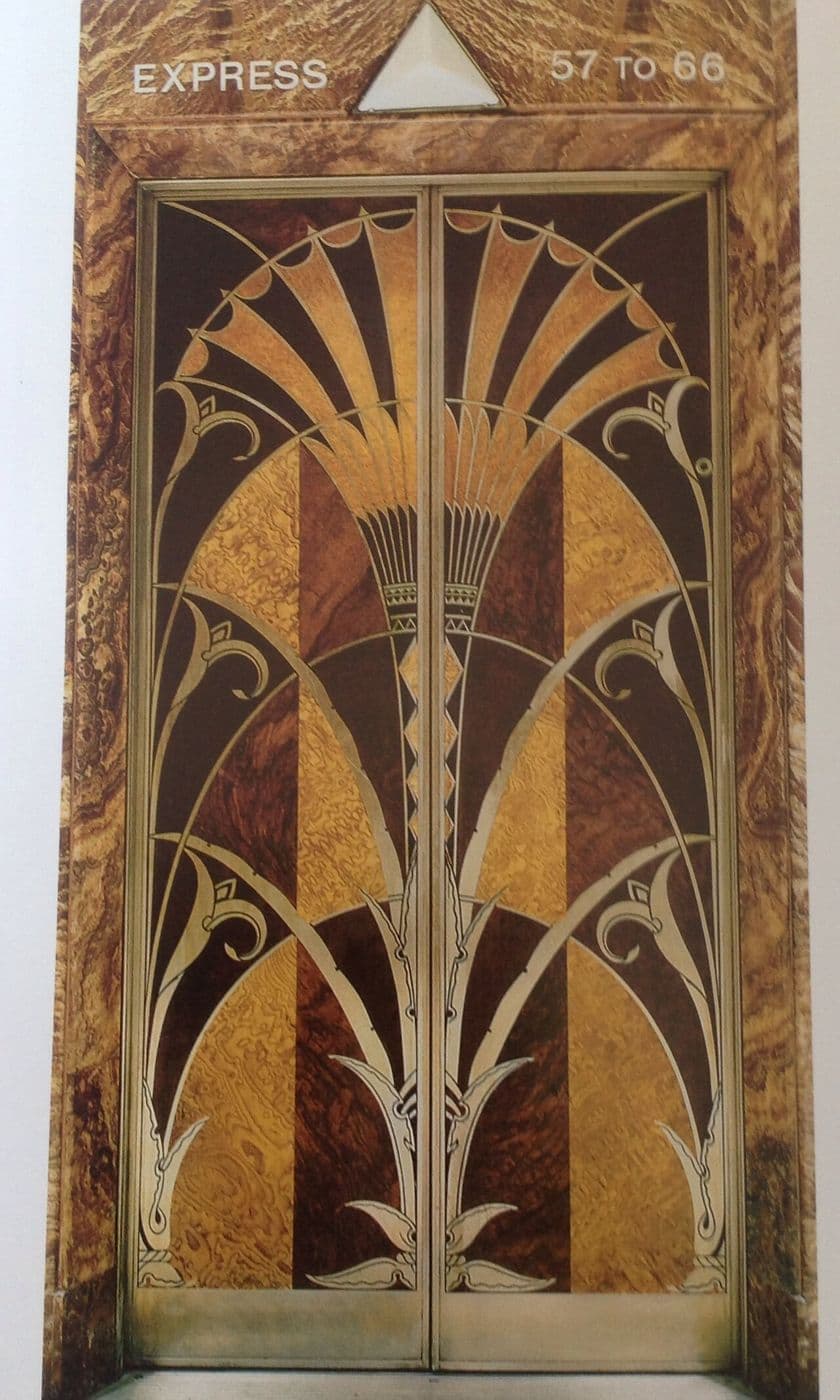
- Sunbursts, chevrons, fans and stylized plants
- Fluting and reeding on doors and panels
- Highly figured veneers, marquetry and contrasting inlay
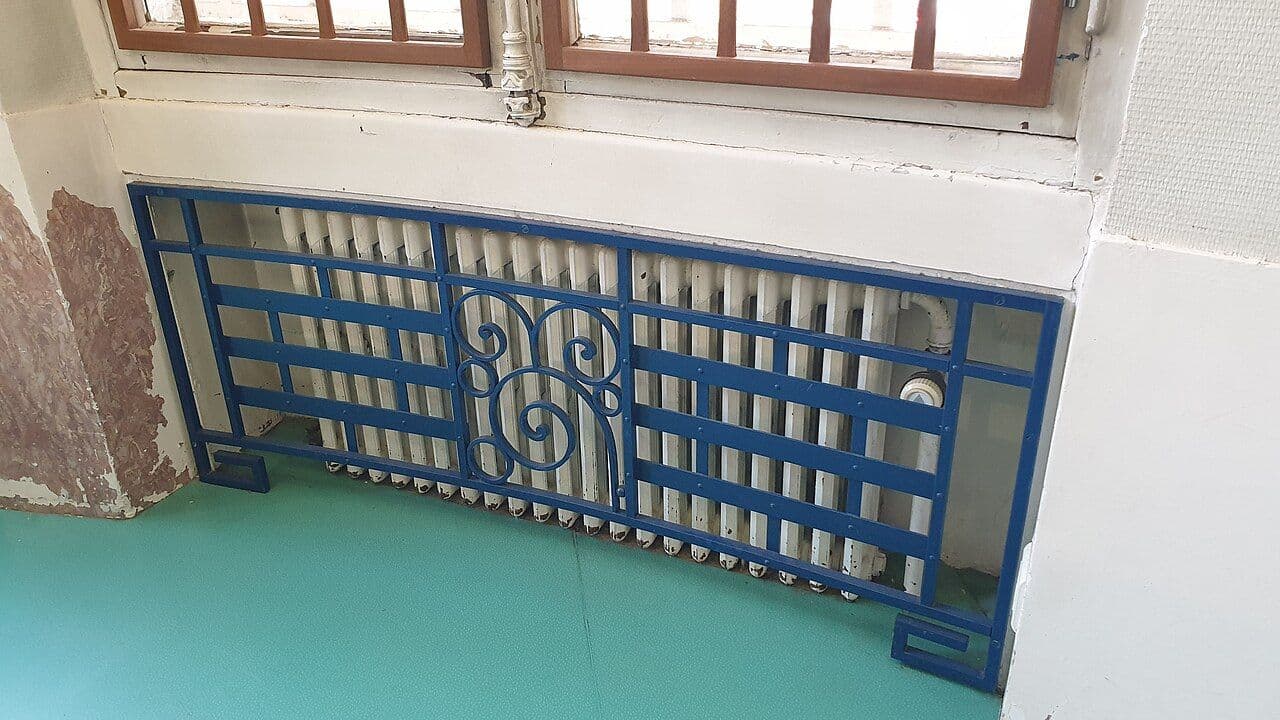
- Geometric metal grilles and screens
Denver's Paramount Theatre, which opened in 1930, is a well-known Colorado example of the style.
Art Deco cabinet doors & fronts
All cabinet doors & fronts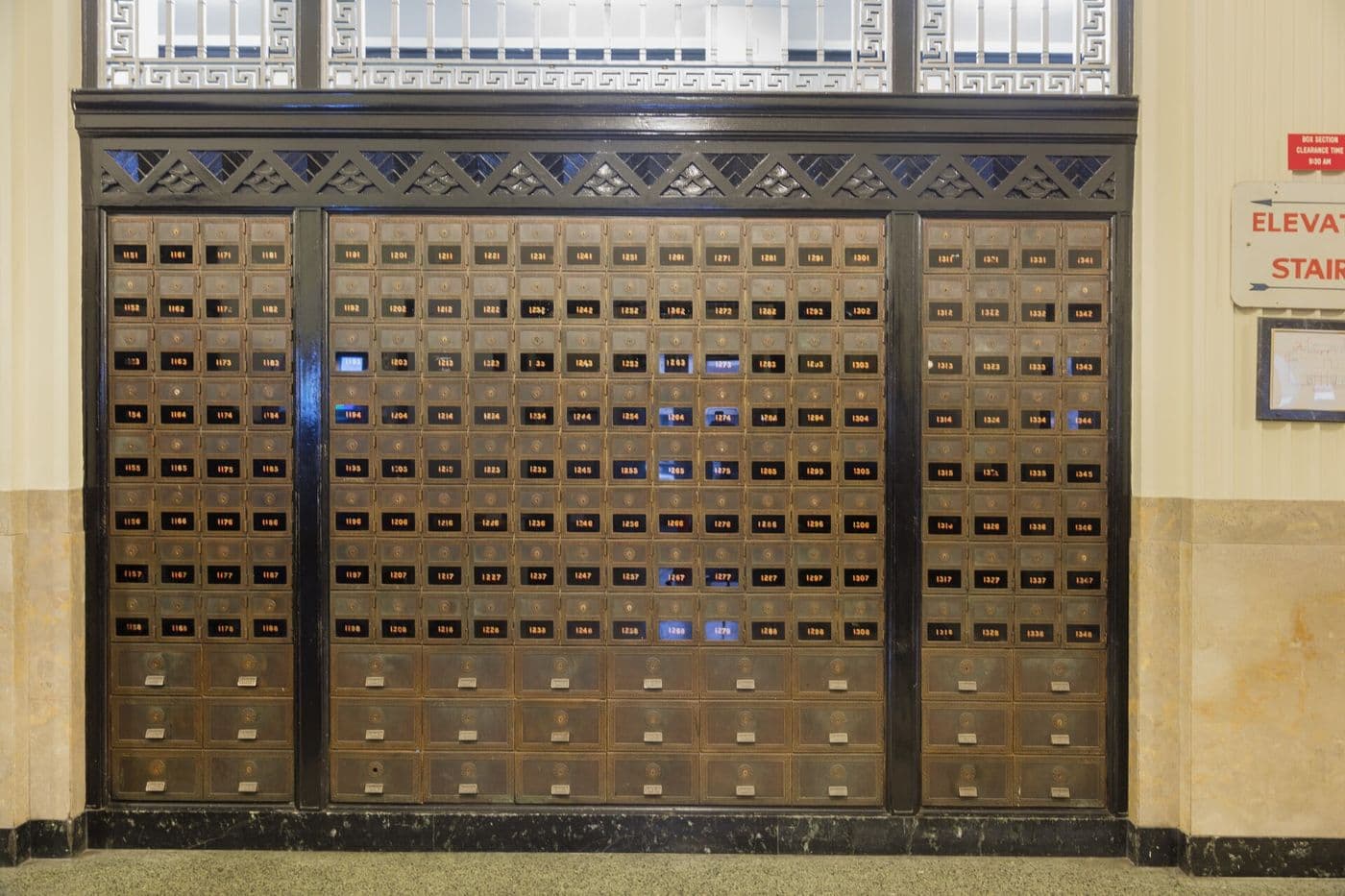
Art Deco built-ins & bookcases
All built-ins & bookcases
Art Deco wall paneling & wainscoting
See all 4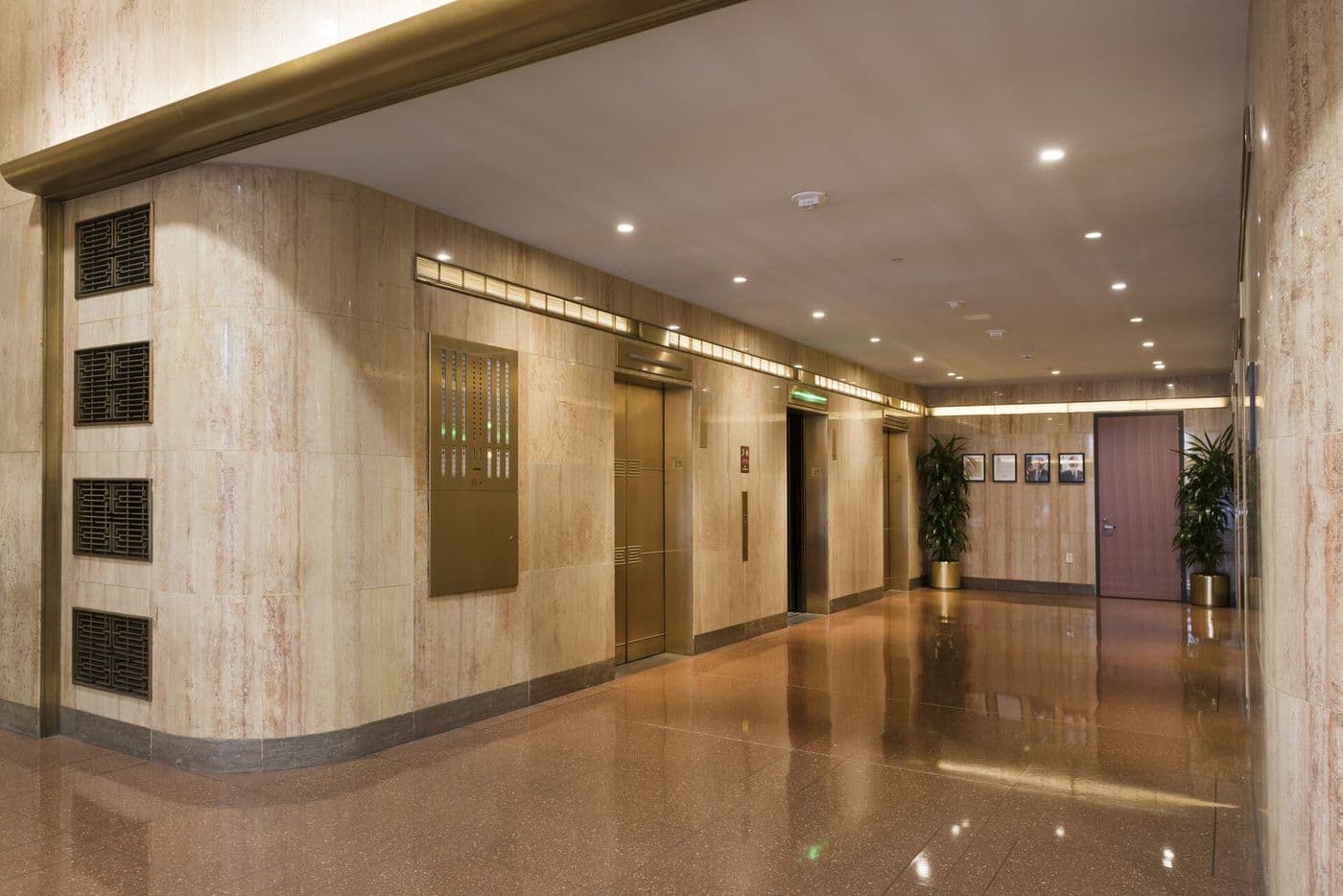

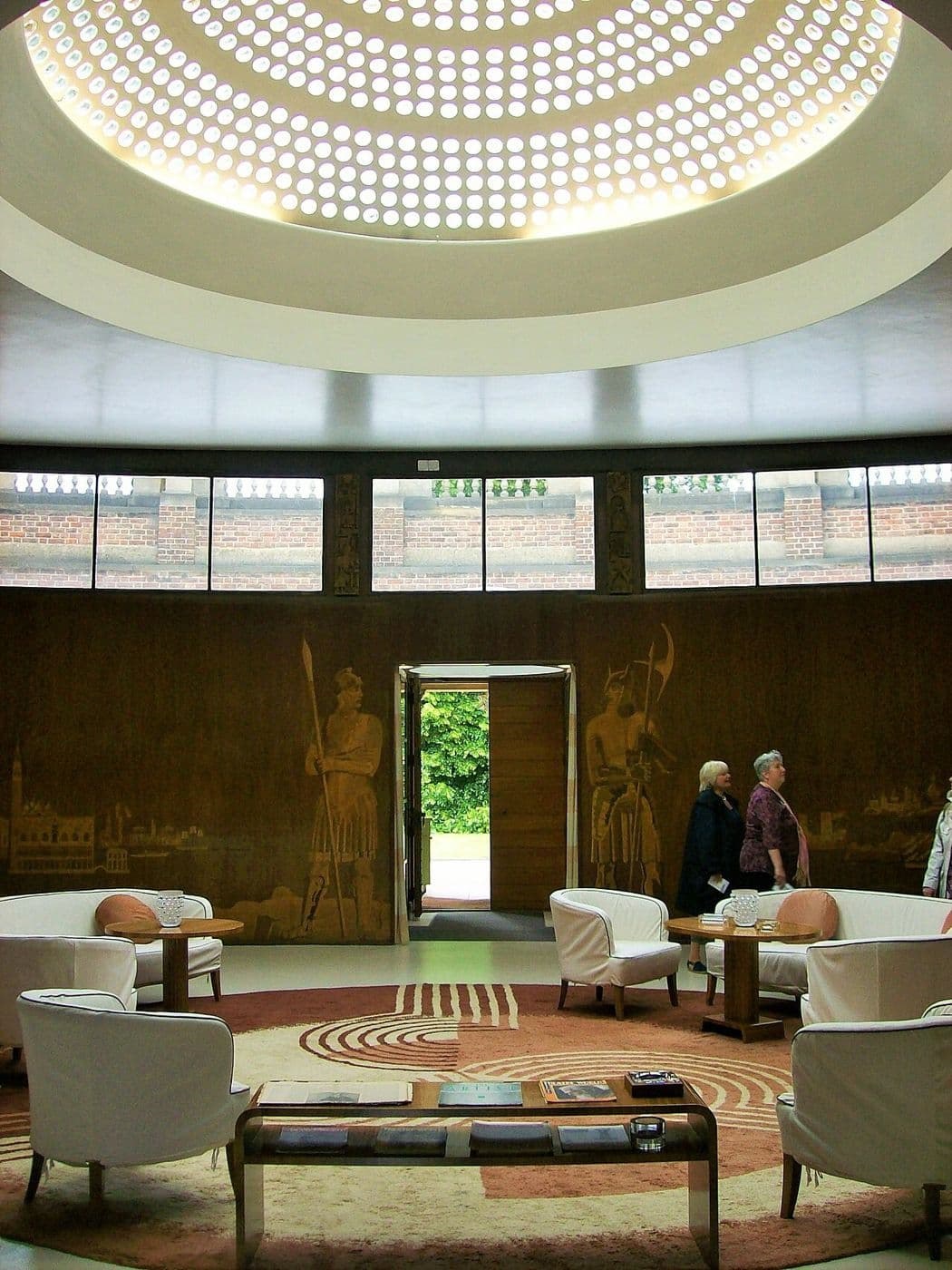
Art Deco interior doors
See all 4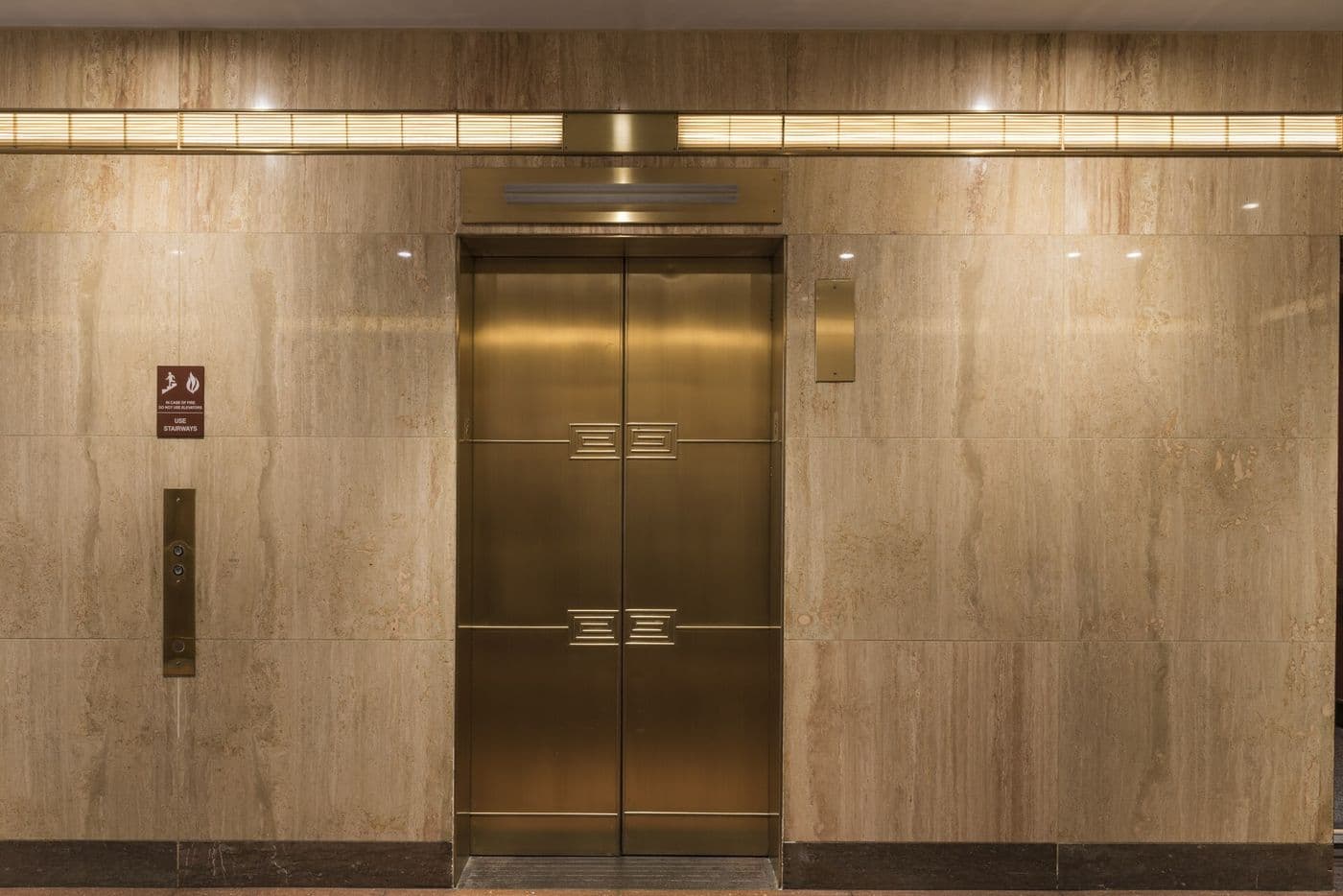

Art Deco trim & moulding
All trim & moulding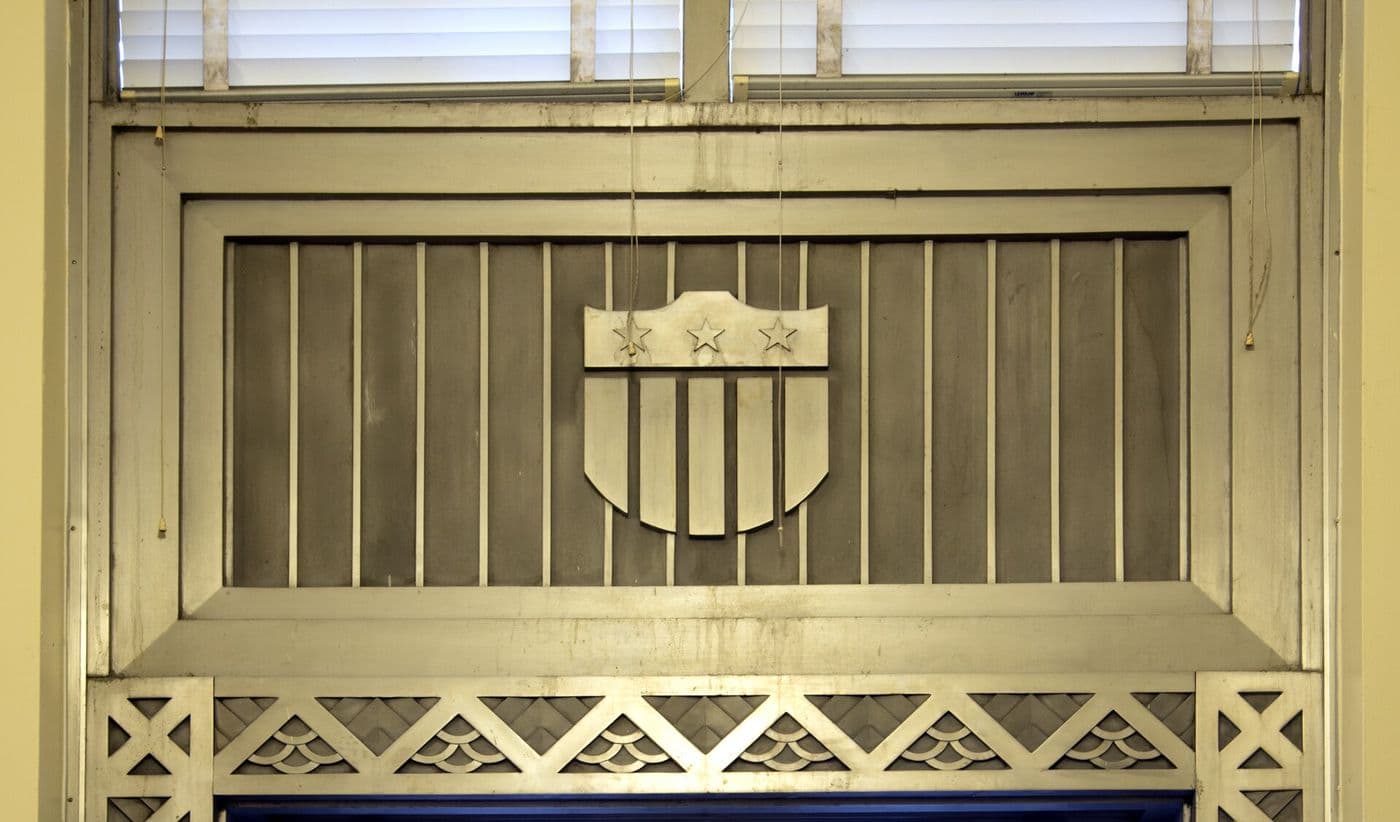

Signature motifs
Typical woods and materials
Have a Art Deco detail made for your home
Choose any example above as a starting point. We adapt it to your measurements and make it on our CNC, with published price ranges for every element.
How custom work works