Photo: Rayia Soderberg / Unsplash · Unsplash License (Unsplash License)
Buy it for life · Skillets
The best cast-iron skillets to buy for life
Number one: Lodge 12" Classic Skillet
7 ranked →Buy it for life
Five ranked lists for the kitchen, the hearth and the door. Every piece on them is checked against the Heirloom Standard, and ranked on what we can verify.
What does “buy it for life” mean?
Buying something once, built well enough to last the rest of your life and the next person's: solid materials, made to be repaired rather than replaced, and backed by a maker who stands behind it. In a home, that means cast iron, forged iron, solid brass and bronze, tin-lined copper, hardwood and well-supported stoves. Our five lists rank the pieces that pass the Heirloom Standard.
Photo: Rayia Soderberg / Unsplash · Unsplash License (Unsplash License)
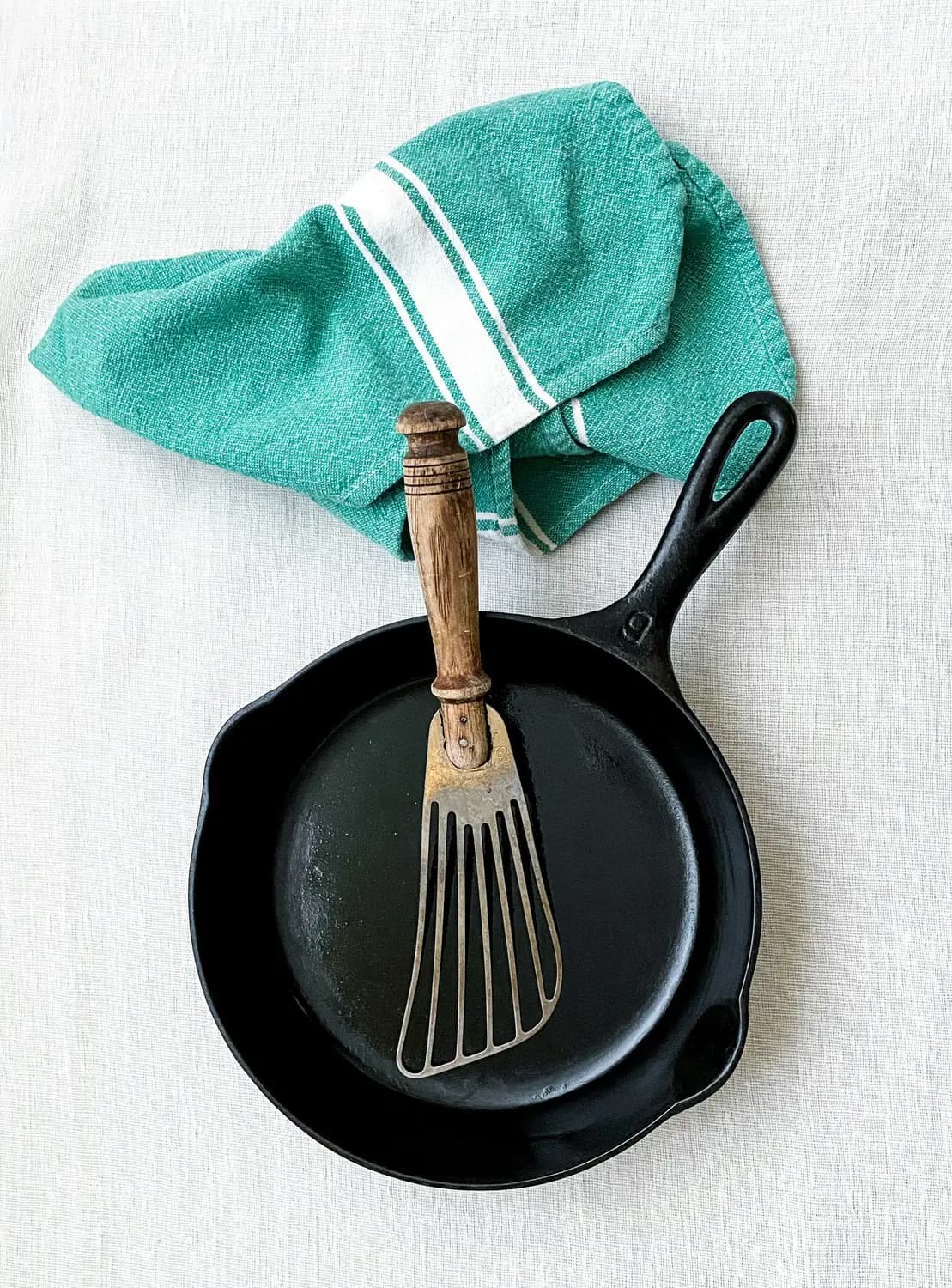
Buy it for life · Skillets
Number one: Lodge 12" Classic Skillet
7 ranked →Photo: James Coleman / Unsplash · Unsplash License (Unsplash License)
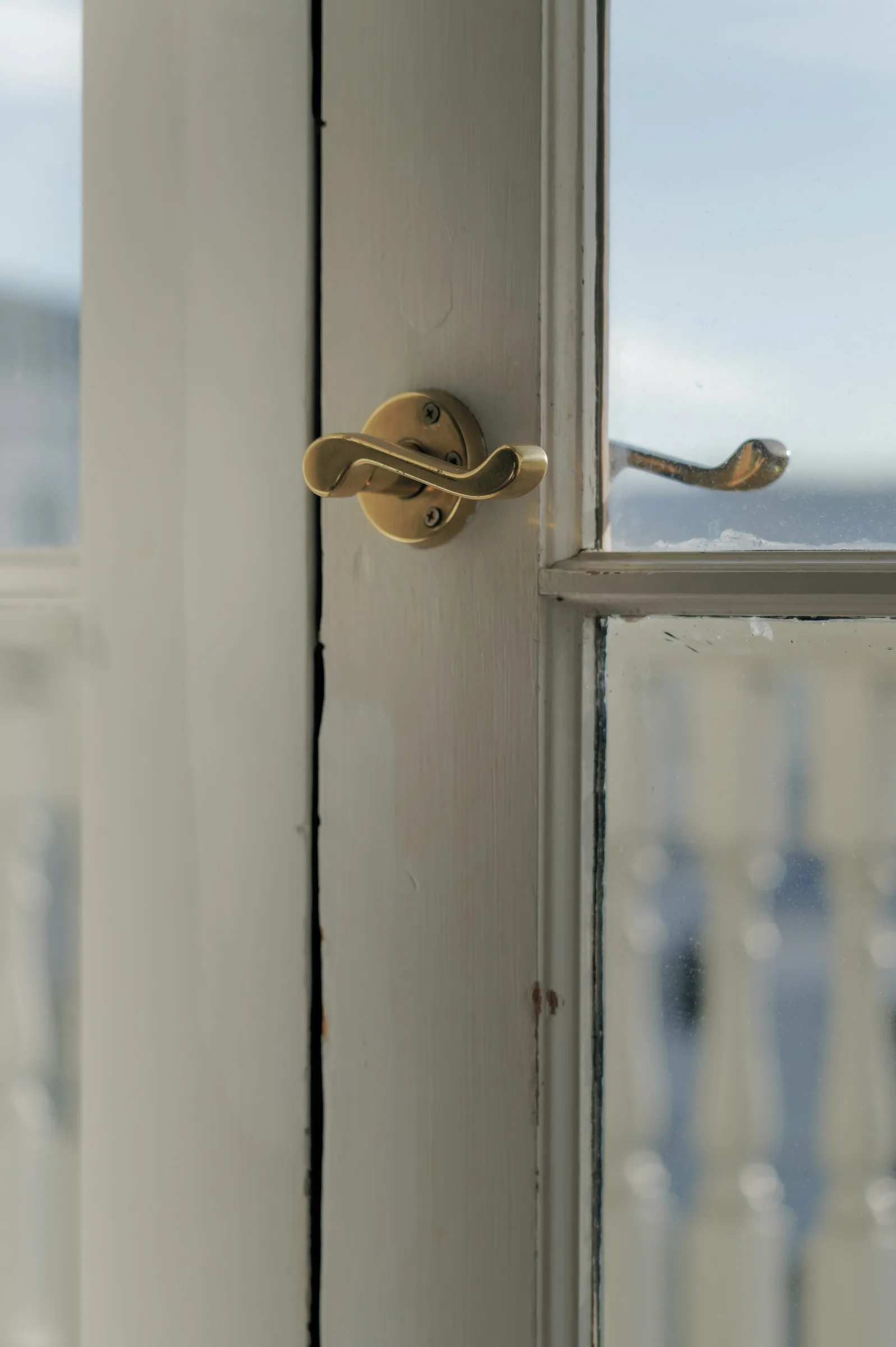
Buy it for life · Door hardware
Number one: Rocky Mountain Hardware Bordeaux Entry Set
13 ranked →Photo: Julia / Unsplash · Unsplash License (Unsplash License)
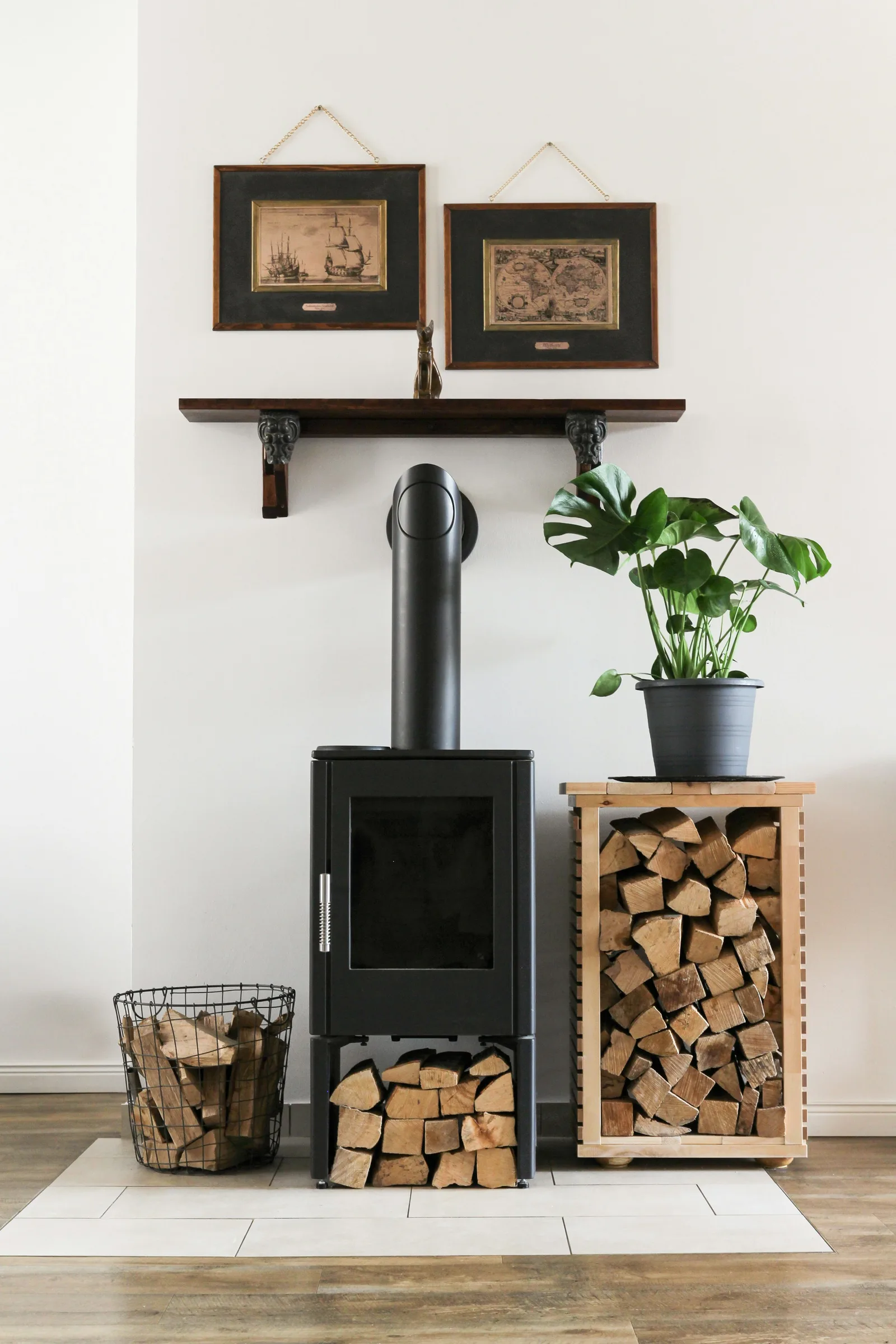
Buy it for life · Wood stoves
Number one: Morsø 1410 (squirrel sides)
7 ranked →Photo: Michal Ufniak / Unsplash · Unsplash License (Unsplash License)
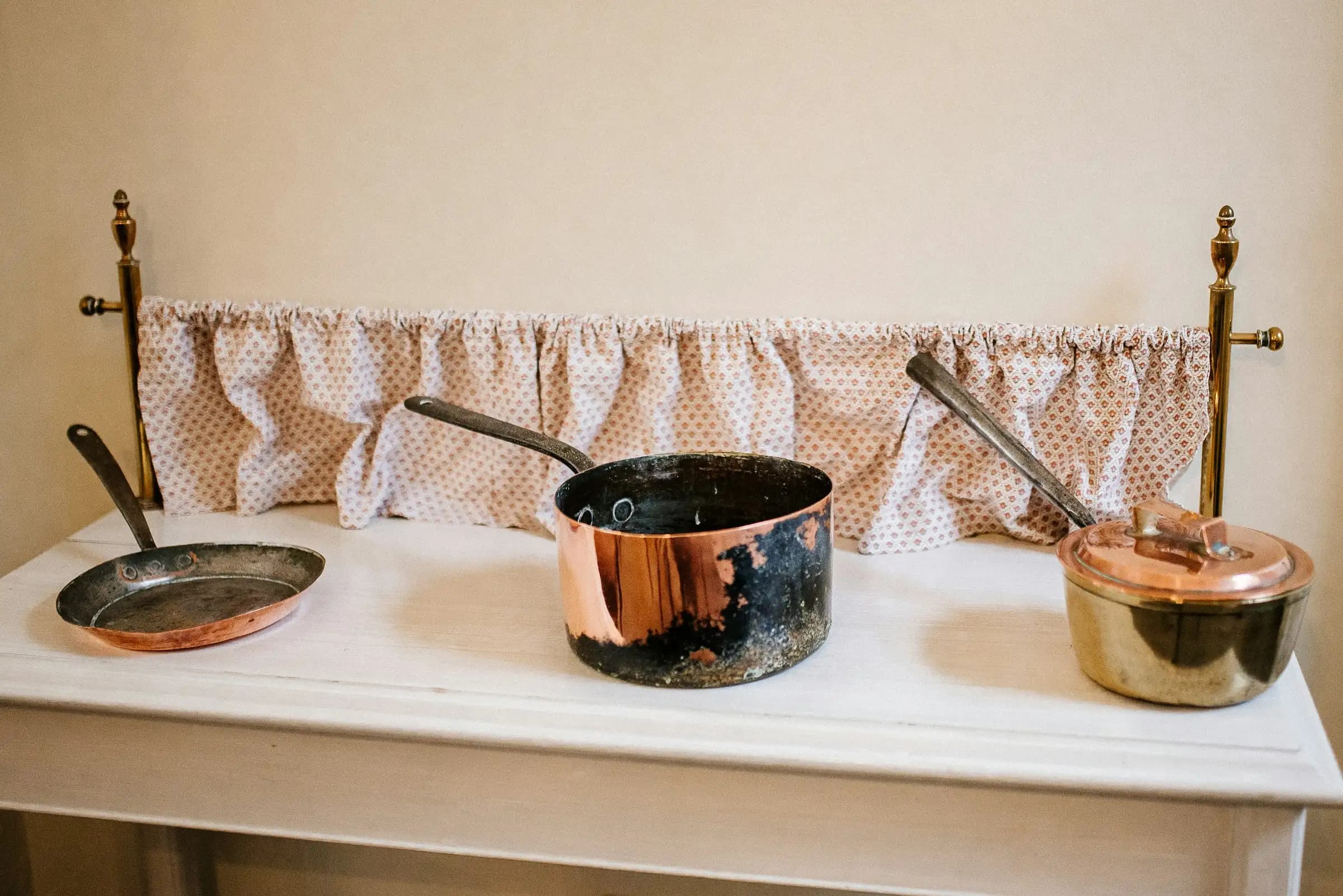
Buy it for life · Kitchen
Number one: Lodge 12" Classic Skillet
12 ranked →Buy it for life · The hearth
Number one: Urban Forge Meadow Tool Set, 5 pc
12 ranked →How we rank
Every list is ranked the same way. First by the Standard: a confirmed pass counts fully, a partial (confirmed but short, like a 5-year warranty) counts for half, and a test we haven't confirmed yet counts for nothing until we have. Among pieces that pass the same tests, the stronger guarantee ranks higher, and the rest is our judgement, explained in each entry. We work from the makers' own published facts, record the price and the date we checked it, and haven't tested the pieces side by side.
Solid, not plated, veneered over particleboard, or a "-look" finish. Brass is solid brass; bronze is solid bronze.
Held together with screws, rivets and joinery rather than glue and sealed plastic, so it can be taken apart, fixed and refinished.
It develops a patina instead of falling apart: brass mellows, bronze darkens, wood deepens in color.
Rooted in a proven traditional form, not a trend.
A real warranty, parts you can get, and a maker with a track record.
BIFL is short for "buy it for life": choosing things built to last a lifetime instead of cheaper ones that need replacing. The phrase was popularised by an online community of the same name, and it has become shorthand for products with solid materials, repairable construction and a lifetime warranty.
For things used every day, usually: a $29.90 cast-iron skillet that lasts a lifetime costs less than a run of nonstick pans that each last a few years. For expensive pieces the case rests on repair and the maker's support as much as the price, which is why the fifth test asks for a real warranty and parts you can get.
Cast-iron and carbon-steel pans, enameled cast iron that's looked after, tin-lined copper, forged knives, thick hardwood boards, forged iron fire tools and andirons, solid brass and bronze door hardware, and cast-iron or soapstone stoves with parts support. What they share is solid material whose working surface can be renewed.
We don't test them side by side. We check each piece's materials, construction, warranty and origin against the maker's own published facts, and rank on what we can verify. Where something isn't confirmed yet, the list and the piece page say so.
Some links are affiliate links: if you buy through them, the retailer may pay us a commission at no extra cost to you. It never decides what we include or where it ranks, and many pieces on these lists earn us nothing. Each piece page says whether its link may earn a commission.
Buying for someone else? The heirloom gift guides sort the same pieces by budget and by who they're for.